
Understanding osteoarthritis
Osteoarthritis is a disease that can affect the whole joint. The cartilage, the tissue that covers the ends of the bones, changes, but the bone and synovial membrane also participate in the disease. The affected joint can become painful, stiff or swollen. R1
Osteoarthritis also affects people who play sport. Age, previous injuries, joint shape and certain individual factors contribute to different osteoarthritis situations. So, understanding your joint helps with treating pain and maintaining activity. R1
Explore the joint
Four components, one joint
Select a label to locate it on the diagram.
Simplified front view, without the kneecap or ligaments. Anatomical landmarks, not an osteoarthritis stage. R1
Different sporting histories
Running for pleasure, having played professional football or returning after a ligament tear are very different joint histories. Studies in former elite athletes find more osteoarthritis in certain populations. Level of participation, contact, injuries and years of exposure need to be considered together. E1E3E4
For example, in some athletes, difficulties can appear during a sprint, a jump or a change of direction while walking remains easy. During medical care, it is therefore necessary to find out what the patient wants to achieve. Returning to a walk or returning to competition do not call for the same care at all. R7R8
The case of Andy Murray
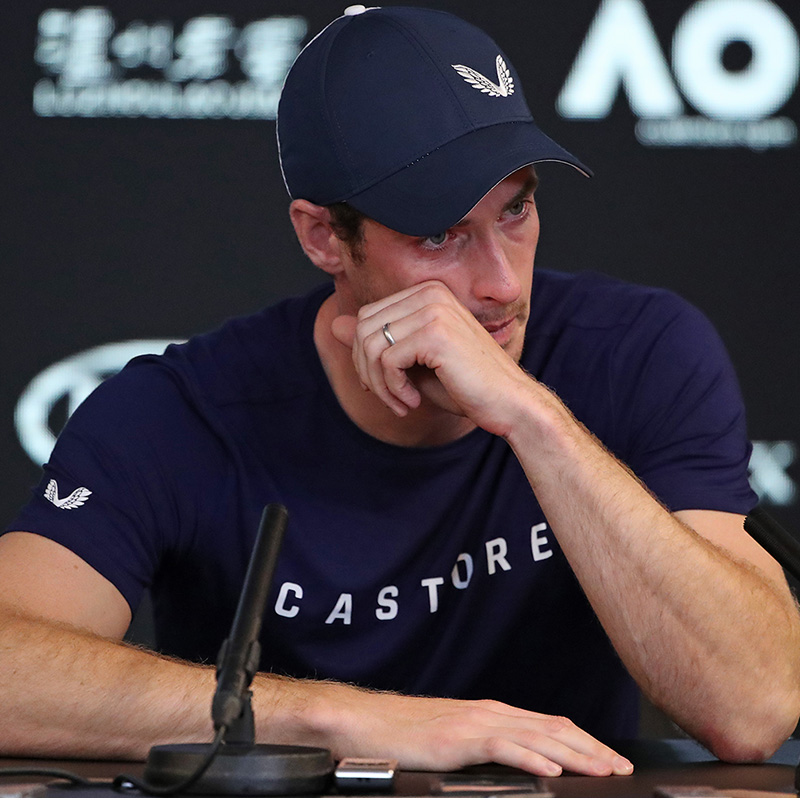
In January 2019, at the Australian Open, the famous tennis player Andy Murray explains to journalists the difficulties linked to his hip pain. He even talks about difficulties with simple actions such as putting on his shoes or socks. During this statement, he explains that he will have an operation whose first aim is simply to regain a better quality of life. He understands that there is no guarantee of being able to play at the highest level again. But what he wants is “just to have a better quality of life”. M1
“Not great…”
Open the official video at 00:53 ↗Australian Open · 11/01/2019
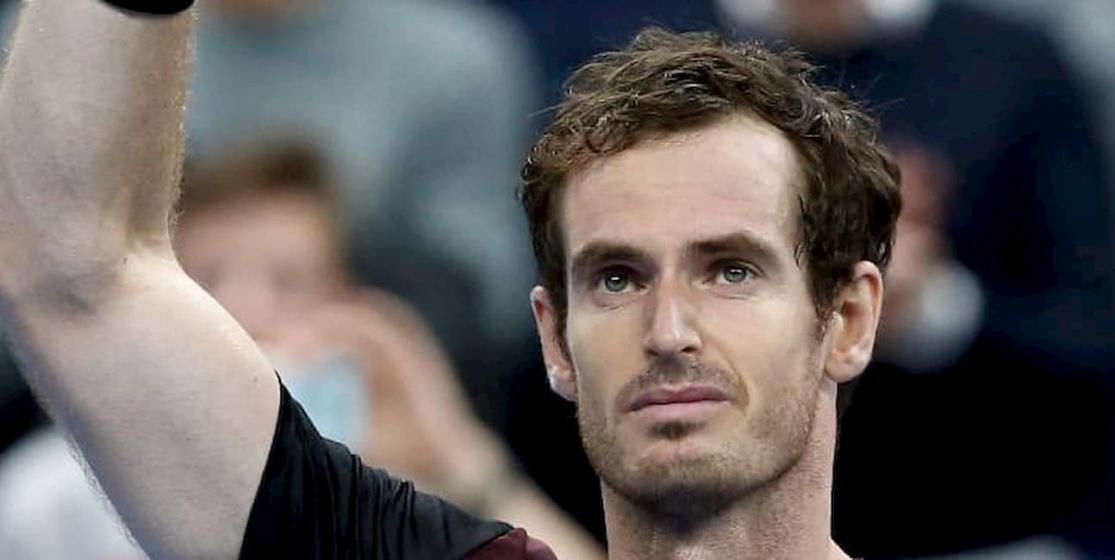
After hip resurfacing surgery, he nevertheless manages to win the Antwerp tournament in October 2019. His journey gives a concrete example of the different goals of care (making everyday activities easier, enjoying sport again or possibly pursuing a professional goal). Of course, this individual success does not predict each patient’s individual results, but it illustrates a mindset and a care journey that are present even at the highest level. M3
Understanding pain
Pain intensity is not proportional to the abnormalities on an osteoarthritis X-ray. New pain should therefore not automatically be attributed to known osteoarthritis. Depending on the situation, the sports physician may also need to look for other causes (differential diagnosis). R3R4
The sports physician asks about the characteristics of the pain (location, timing, movements that are limited…). The different types of imaging are not systematic; they must respond to each individual situation. R3
Reading the evidence
An X-ray does not tell the whole pain story
Among people with knee pain
had osteoarthritis visible on X-rays.
Among people with radiographic knee osteoarthritis
reported knee pain.
View the original article figure
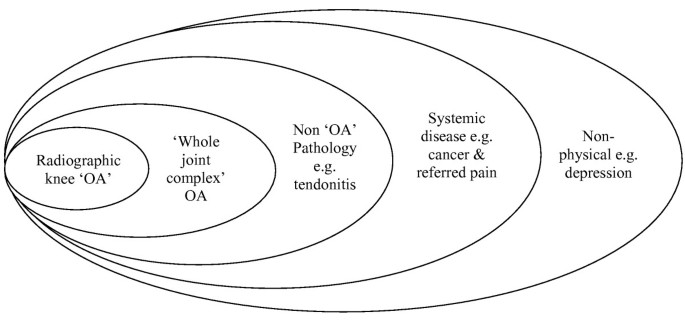
Figure 1 shows possible pain sources; the percentages above come from the review’s results. © Bedson & Croft, 2008 · CC BY 2.0 · Unmodified original figure.
Staying physically active
An osteoarthritis diagnosis does not automatically mean stopping physical activity. In a study of knee osteoarthritis, patients over 50 who chose to maintain adapted running did not have more radiographic worsening over four years. But be careful: this result only concerns this study and does not guarantee tolerance of every training volume in every patient. E2
Results from recreational running cannot be directly applied to professional sport, and vice versa. Continuing or returning depends on the joint concerned, symptoms, previous injuries and the demands of the sport. E1E5E11E12
The role of previous injuries
A previous ligament tear, a meniscal injury or a fracture can change a joint’s future. Post-traumatic osteoarthritis can sometimes develop in a young person and sometimes long after their injury. Screening is important, although of course a previous sprain does not mean that osteoarthritis will necessarily appear. E6E8
Instability can sometimes appear after ligament reconstruction. Ligament reconstruction has therefore not demonstrated protection against osteoarthritis on its own. Rehabilitation remains important after most ligament operations. In the SUPER-Knee clinical trial, it was observed that a supervised programme can improve persistent symptoms after reconstruction. E7E10
A study explained · SUPER-Knee
Rehabilitating a knee with persistent symptoms
184 adults aged 18–40 with symptoms 9–36 months after ACL reconstruction. Two groups of 92. E10b
At 4 months: improvement in KOOS₄
Points gained. Adjusted mean difference: +4.8 points (95% CI: 1.4–8.2).
At 12 months: a narrowing gap
SUPER gains were maintained while the comparison group continued to improve. No between-group differences were found in cartilage thickness or composition.
What does KOOS₄ measure?
This questionnaire combines pain, symptoms, sporting function and knee-related quality of life. Scores range from 0 (worst) to 100 (best). It describes the patient’s experience, not cartilage directly. R7
Culvenor et al., 2026. Original graphic based on published results. These findings do not prove long-term prevention of osteoarthritis. E10E10b
Building an adapted exercise programme
Yes, physical activity is part of osteoarthritis treatment. An adapted programme should be able to combine muscle strengthening, endurance, mobility and movement control. It is built and adjusted gradually. R2R5
The exercise dose must be adapted because lifting heavier weights does not necessarily relieve the joint more. Often, if overweight or obesity is present, weight management can complement the programme, but losing weight is not a systematic goal for an athlete of normal build. E13R5
Build strength
Train the muscles that support the joint.
Maintain endurance
Choose an activity and pace suited to your abilities.
Keep mobility
Maintain useful range of motion for everyday life and sport.
Control movement
Work on balance and coordination according to your needs.
Understanding treatment options
Treatments are individualised and depend on each patient. Medicines and different types of injections can be used to relieve pain and complement other appropriate measures. Some situations may require surgery, in consultation with the patient. R9
Promising avenues of research
Today, research is exploring several avenues:
reducing inflammation after an injury,
addressing certain metabolic factors,
changing joint tissues.
The PIKASO trial studies metformin after anterior cruciate ligament reconstruction; another protocol studies early anakinra injections.
All these trials aim to prevent future osteoarthritis and do not constitute preventive treatments that have already been validated. P1P2
Other results concern different populations. Sprifermin increased cartilage thickness measured in a trial, without a significant overall benefit for osteoarthritis symptoms. So, when judging an innovation, we need to distinguish what it changes in an image, but above all what it changes in pain and real-life activity. P3P4
Metformin · PIKASOAfter ACL reconstruction
Testing a medicine-based strategy to limit joint changes after injury.
Trial protocol: prevention of osteoarthritis has not been demonstrated. P1
Anakinra · UCLAAfter a recent ACL tear
Evaluating early inhibition of interleukin-1, an inflammatory pathway.
Research trial: not a routine preventive injection. P2
Sprifermin · FORWARDEstablished knee osteoarthritis
An increase in cartilage thickness measured on MRI.
No significant overall symptom benefit in the main trial. P4
Semaglutide · STEP 9Knee osteoarthritis with obesity
Improvement in weight and pain in the population studied.
The findings cannot be extrapolated to normal-weight athletes. P3
Your sport, your goals
Discuss it in a consultation
Book an appointment ↗This guide provides general information and does not replace an individual medical assessment.
Further reading
Sources within easy reach
French recommendations concern osteoarthritis in general. Applying them to sporting goals requires individual assessment. Most studies presented here concern the knee.
Guidance and background
- R1Inserm. Arthrose. Dossier réalisé avec Francis Berenbaum. 14 novembre 2022. Sections anatomie, mécanismes et facteurs de risque. Read source ↗
- R2HAS. Prescription d’activité physique — Arthroses périphériques. 13 juillet 2022. P. 7–9 : poussées, exercice et adaptation. Read source ↗
- R3HAS. Pertinence de l’imagerie en cas de gonalgie chez l’adulte — Gonalgie non traumatique. 8 juin 2022. Read source ↗
- R4Assurance Maladie. Arthrose du genou — Symptômes et diagnostic. 5 novembre 2025. Dissociation entre radiographie et symptômes. Read source ↗
- R5Pers YM, Nguyen C et al. Recommandations SFR–SOFMER sur la prise en charge non pharmacologique de la gonarthrose. Ann Phys Rehabil Med. 2024;67:101883. Principes C–E ; recommandations 5–6 et 9. Read source ↗
- R6Assurance Maladie. Douleurs du genou — Que faire et quand consulter. 27 juin 2025. Repères de recours aux soins. Read source ↗
- R7KOOS. Documentation officielle et FAQ du Knee injury and Osteoarthritis Outcome Score. Versions, domaines et interprétation. Read source ↗
- R8OARSI. Physical Performance Measures. Tests de performance pour les personnes avec arthrose de hanche ou du genou. Read source ↗
- R9Sellam J et al. Recommendations of the French Society of Rheumatology on pharmacological treatment of knee osteoarthritis. Joint Bone Spine. 2020;87:548–555. Principe 1.5 et recommandations 2.1–2.11. Read source ↗
- R10Eymard F et al. Intra-articular injections of platelet-rich plasma in symptomatic knee osteoarthritis: consensus statement from French-speaking experts. KSSTA. 2021. Consensus GRIP, distinct d’une recommandation HAS. Read source ↗
- R11Agence mondiale antidopage. Liste des interdictions 2026. Rubriques S7 et S9 : notamment tramadol et glucocorticoïdes en compétition. Read source ↗
- R12Bedson J, Croft PR. The discordance between clinical and radiographic knee osteoarthritis. BMC Musculoskelet Disord. 2008;9:116. Figure 1, tableaux 2–5. Licence CC BY 2.0. Read source ↗
Studies
- E1Alentorn-Geli E et al. The Association of Recreational and Competitive Running With Hip and Knee Osteoarthritis. JOSPT. 2017;47:373–390. Revue systématique et méta-analyse. Read source ↗
- E2Lo GH et al. Running does not increase symptoms or structural progression in people with knee osteoarthritis. Clin Rheumatol. 2018;37:2497–2504. Cohorte observationnelle. Read source ↗
- E3Fernandes GS et al. Prevalence of knee pain, radiographic osteoarthritis and arthroplasty in retired professional footballers. BJSM. 2018;52:678–683. Étude transversale comparative. Read source ↗
- E4Tveit M et al. Former Male Elite Athletes Have a Higher Prevalence of Osteoarthritis and Arthroplasty in the Hip and Knee Than Expected. AJSM. 2012;40:527–533. Étude observationnelle. Read source ↗
- E5Liew BXW et al. High-impact physical activity participation and 12-month risk of joint replacement. BJSM. 2026;60:1292–1297. Registre GLA:D. Read source ↗
- E6Lohmander LS et al. High prevalence of knee osteoarthritis, pain, and functional limitations in female soccer players twelve years after ACL injury. Arthritis Rheum. 2004;50:3145–3152. Read source ↗
- E7Lohmander LS et al. Treatment for Acute Anterior Cruciate Ligament Tear in Young Active Adults. NEJM Evid. 2023;2:EVIDoa2200287. Suivi randomisé KANON à onze ans. Read source ↗
- E8Whittaker JL et al. Risk factors for knee osteoarthritis after traumatic knee injury: systematic review and meta-analysis for the OPTIKNEE Consensus. BJSM. 2022;56:1406–1421. Read source ↗
- E9Heerey J et al. Longitudinal cohort study of the association between labral pathology and cartilage loss in high-impact athletes: the FORCe study. BJSM. 2026;60:1306–1314. Read source ↗
- E10Culvenor AG et al. Exercise Therapy and Education for Young Adults With Persistent Knee Problems After ACL Reconstruction. Ann Intern Med. En ligne le 29 septembre 2026. SUPER-Knee. Read source ↗
- E11Bricca A et al. Impact of exercise on articular cartilage in people at risk of, or with established, knee osteoarthritis. BJSM. 2019;53:940–947. Revue d’essais randomisés. Read source ↗
- E12Multanen J et al. Effects of high-impact training on bone and articular cartilage: 12-month randomized controlled quantitative MRI study. JBMR. 2014;29:192–201. Read source ↗
- E13Messier SP et al. Effect of High-Intensity Strength Training on Knee Pain and Knee Joint Compressive Forces. JAMA. 2021;325:646–657. Essai START. Read source ↗
- E14Uhlrich SD, Mazzoli V et al. Personalised gait retraining for medial compartment knee osteoarthritis. Lancet Rheumatol. 2025;7:e708–e718. Essai de marche personnalisée, non transposable directement à la course. Read source ↗
- E15Bennell KL et al. Effect of Intra-articular Platelet-Rich Plasma vs Placebo Injection on Pain and Medial Tibial Cartilage Volume. JAMA. 2021;326:2021–2030. Essai RESTORE. Read source ↗
- E10bAmerican College of Physicians. Supervised Physical Therapy Improves Short-Term Knee Pain and Function After ACL Surgery in Young Adults. Communiqué du 28 septembre 2026. Read source ↗
Further research
- P1Jacobs CA et al. The PIKASO trial: rationale and study design. Osteoarthr Cartil Open. 2024;6:100563. Protocole de metformine après reconstruction du LCA ; NCT06096259. Read source ↗
- P2University of California Health / UCLA. Biologic Therapy to Prevent Osteoarthritis After ACL Injury. NCT03968913. Protocole d’anakinra après rupture du LCA. Read source ↗
- P3Bliddal H et al. Once-Weekly Semaglutide in Persons with Obesity and Knee Osteoarthritis. NEJM. 2024. Essai STEP 9 chez des patients obèses. Read source ↗
- P4Hochberg MC et al. Effect of Intra-Articular Sprifermin vs Placebo on Femorotibial Joint Cartilage Thickness. JAMA. 2019;322:1360–1370. Essai FORWARD. Read source ↗
Andy Murray’s story
- M1Australian Open. Andy Murray — conférence de presse du 11 janvier 2019. Transcription officielle. Read source ↗
- M2Edwin P. Su, MD. Andy Murray and Hip Resurfacing. Analyse médicale publique de son parcours. Read source ↗
- M3Roland-Garros. Return of the Miracle Man. Simon Cambers, 21 octobre 2019. Victoire à Anvers. Read source ↗
- M4Australian Open. Andy Murray foreshadows retirement — full press conference. Vidéo officielle, passage repéré à 00:53–01:03. Read source ↗